High Blood Pressure at Home
High blood pressure is called the "silent killer" for a good reason — it is usually without clear symptoms, but quietly damages the heart, kidneys, and brain. The good news: managing it at home is possible and very effective if the right guidelines are followed.
How to Measure Your Blood Pressure Correctly at Home
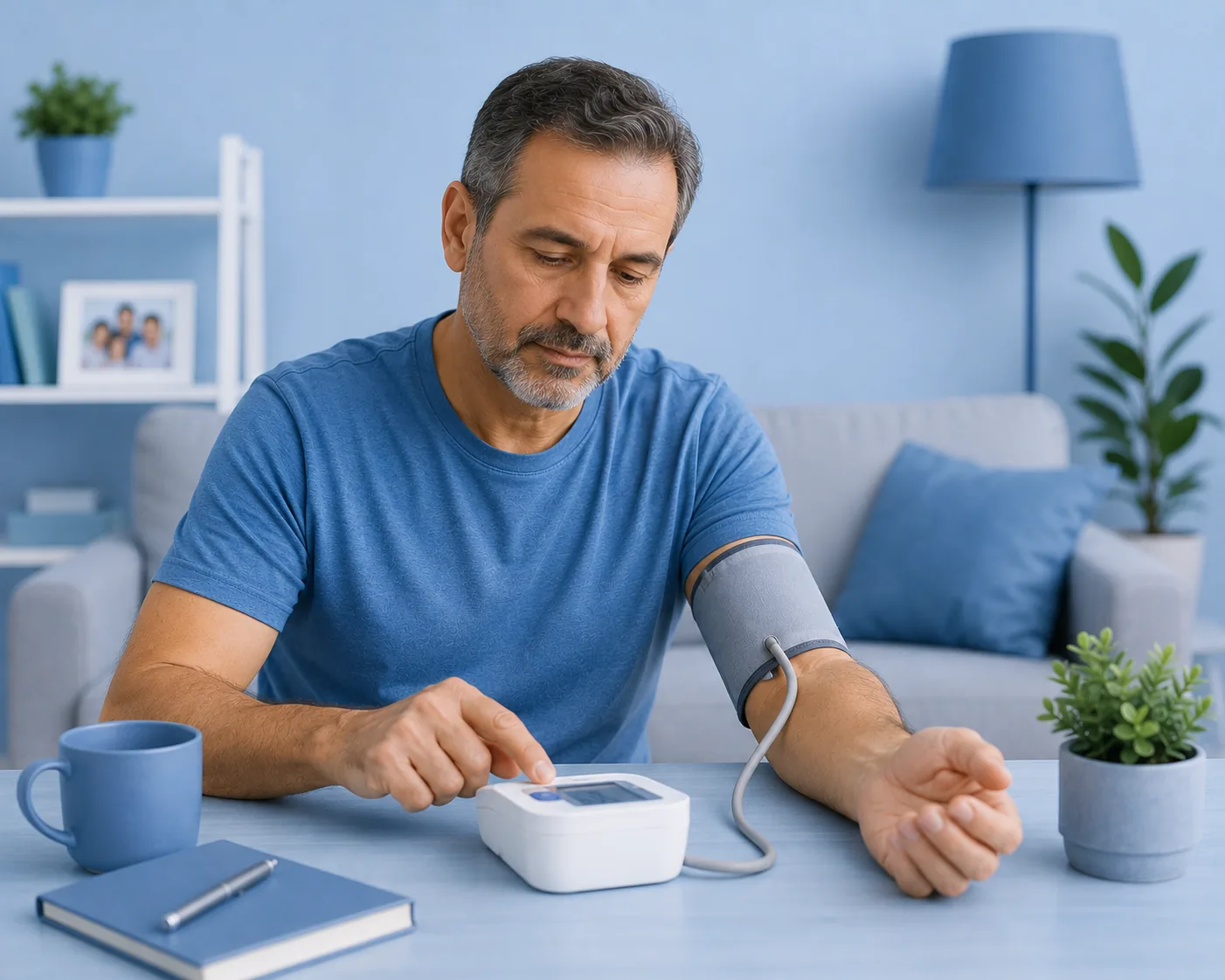
- Use a certified upper-arm digital device — more accurate than wrist monitors.
- Sit quietly for 5 minutes before measuring — no coffee, no smoking, no exertion.
- Measure early in the morning before taking medications and after urinating.
- Take two readings two minutes apart and calculate the average.
- Record readings with time and date — accumulated data is most valuable.
Important Reference Numbers
Below 120/80: Ideal. 120–129 / below 80: Elevated — requires watchfulness. 130–139 / 80–89: Stage 1 — needs intervention. Above 140/90: Stage 2 — requires medical treatment.
Proven Lifestyle Modifications
- Reduce sodium (salt): each extra gram per day raises pressure by 2 points. Goal: less than 2300 mg daily.
- Follow the DASH diet: rich in vegetables, fruits, and whole grains, low in saturated fats.
- Quit smoking: causes a sharp temporary rise with each cigarette whose effect accumulates long-term.
- Reduce alcohol: if consumed, maximum one glass daily for women and two for men.
- Brisk walking 30 minutes daily reduces blood pressure by 5–8 points on its own.
Medication Adherence: More Than Just Swallowing a Pill
Blood pressure medications only work if taken regularly. Don't stop medication when you feel better — blood pressure returns. Use a medication reminder app, or link the dose to a fixed routine like breakfast. If you miss a dose, don't take two the next day.
When to Call a Doctor Immediately
- A reading above 180/120 — this is a hypertensive crisis.
- Sudden severe headache accompanied by visual disturbances or dizziness.
- Chest pain or shortness of breath with elevated blood pressure.
- A sudden sharp rise in a previously stable patient.
Controlling blood pressure doesn't mean depriving yourself of a full life — it means adjusting your habits so you can live a longer, better one.
Lucille doctors help you monitor your blood pressure regularly at home, review your medications, and adjust your treatment plan based on your actual readings — no hospital waiting required.
Dr. Basel Kial
Cardiologist & Vascular Specialist — Lucille Medical Network
Need medical advice? Your doctor is a minute away
Book a home medical visit now